
Introduction
Passive movement therapy is a gentle way to move joints when a person cannot do it themselves. In many cases, people may be too weak, injured, or ill to move their arms or legs. For these patients, passive joint movement is vital. It helps keep joints healthy and prevents them from becoming stiff. This therapy is a key part of physiotherapy for immobile patients. It also plays a big role in preventing joint stiffness and contractures. Doctors and therapists often use passive movement therapy to support healing and comfort.
What Is Passive Movement Therapy?
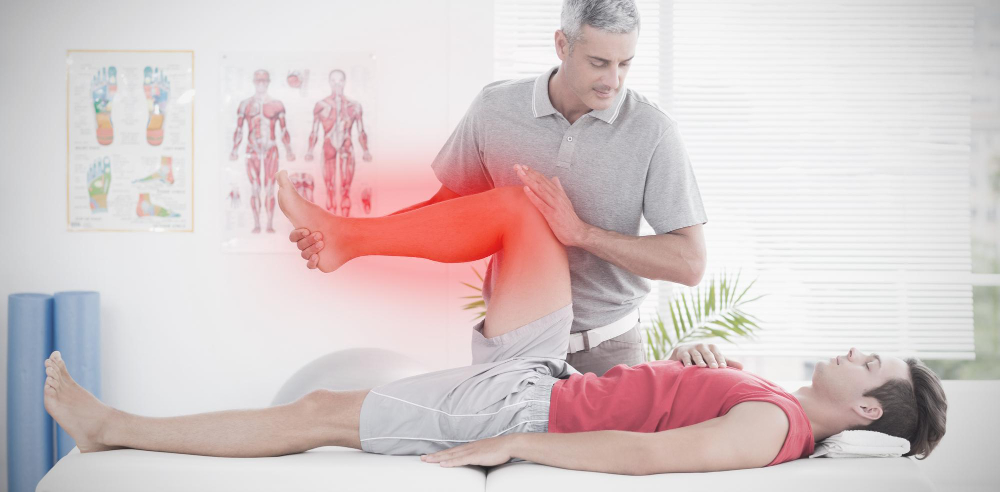
Passive movement therapy means someone else moves your joints for you. For example, a therapist or caregiver gently bends and straightens your arm or leg. You do not use your own muscles during this process. Instead, the helper does all the work. This therapy is different from active movement, where you move your own body parts. Passive movement therapy is safe and does not cause pain when done correctly.
Why Is It Important When the Body Can’t Move?
When a person cannot move, joints can become stiff and tight. Over time, this may lead to pain and loss of movement. However, passive movement therapy helps prevent these problems. It keeps joints flexible and healthy. In addition, it helps blood flow and reduces swelling. For people who are bedridden or in a coma, passive movement therapy is often the only way to keep joints alive and working.
How Does Passive Movement Therapy Work?
During passive movement therapy, a trained person moves the patient’s joints through their normal range. For instance, they may gently bend the knee or rotate the shoulder. Each movement is slow and controlled. Usually, the therapist repeats each motion several times. This helps stretch the muscles and ligaments around the joint. As a result, the joint stays loose and less likely to become stiff.
Benefits of Passive Movement Therapy
Passive movement therapy offers many benefits for people who cannot move on their own. For example, it:
Moreover, regular therapy can make it easier for patients to recover movement later. According to the World Health Organization, early movement helps prevent long-term disability in immobile patients.
Who Needs Passive Movement Therapy?
Many people may need passive movement therapy at some point. For instance, it is helpful for:
In these cases, passive joint movement is often part of a larger care plan. Doctors and physiotherapists decide how often and how long therapy should be done.
Risks and Precautions
Although passive movement therapy is safe, there are some risks. For example, moving a joint too far can cause pain or injury. Therefore, it is important to:
Always consult a trained professional before starting passive movement therapy. They can show you the right way to help and avoid harm.
Tips for Caregivers and Families
If you care for someone who cannot move, you can help with passive movement therapy. However, you should learn the correct techniques first. Here are some tips:
Additionally, always talk to the healthcare team before making changes to the therapy routine.
Prevention of Joint Stiffness and Contractures
Joint stiffness and contractures can make daily life harder. But passive movement therapy helps prevent these problems. For best results, therapy should start as soon as possible after a person becomes immobile. In addition, regular sessions keep joints loose and muscles flexible. According to medical experts, even a few minutes each day can make a big difference. Therefore, do not skip therapy sessions unless advised by a doctor.
Conclusion
Passive movement therapy is a simple but powerful way to keep joints healthy when the body cannot move. It prevents stiffness, supports comfort, and helps patients recover faster. If you or a loved one may benefit from passive movement therapy, consult a physiotherapist at Metro cure rehabilitation hospital for personalized advice on passive movement therapy.