
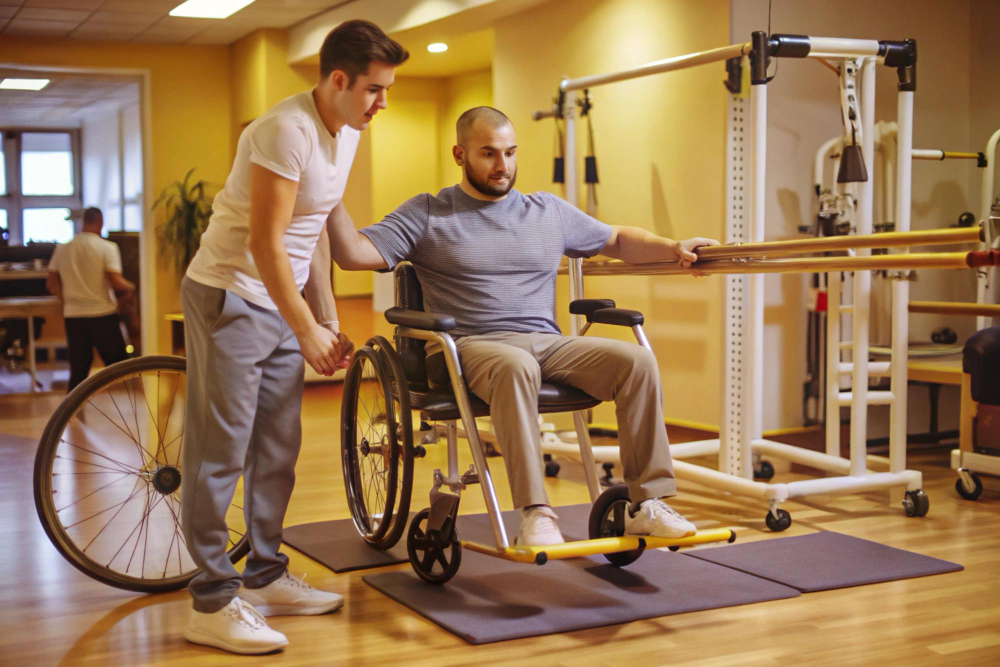
Multiple Sclerosis Rehabilitation: Managing Mobility Challenges is a key part of living well with MS. Multiple sclerosis (MS) is a long-term condition that affects the brain and spinal cord. Because MS can make moving harder, many people need help to stay active. Rehabilitation helps people with MS manage mobility challenges and improve their quality of life. With the right support, many can walk better and keep doing daily activities.
What Is Multiple Sclerosis?
Multiple sclerosis is a disease that affects the nerves in the body. In MS, the immune system attacks the protective covering of nerves. As a result, messages between the brain and body can slow down or stop. This can cause problems with movement, balance, and strength. According to the World Health Organization, MS is one of the most common nerve diseases in young adults.
Common Mobility Challenges in MS
Many people with MS notice changes in how they move. For example, walking may become harder. Some common mobility challenges include:
Because these issues can change over time, it is important to watch for new symptoms. Early support can help prevent further problems.
How Rehabilitation Helps Manage Mobility in MS
Rehabilitation for MS patients focuses on helping them move better and stay independent. For example, a team of experts may include physiotherapists, occupational therapists, and doctors. Together, they create a plan that fits each person’s needs. Rehabilitation can help by:
According to the CDC, regular rehabilitation can slow down mobility decline and help people stay active longer.
Key Physiotherapy Techniques for MS Mobility
Physiotherapy is a main part of MS rehabilitation. In fact, MS physiotherapy exercises can help improve walking in multiple sclerosis. Some common techniques include:
Because every person is different, a physiotherapist will choose the best exercises for each patient. Many MS rehabilitation centers in cities offer group classes and one-on-one sessions.
Assistive Devices and Adaptive Strategies
Sometimes, people with MS need extra help to move safely. Therefore, using assistive devices can make daily life easier. Some helpful mobility aids for MS include:
In addition, adaptive strategies can help. For example, wearing shoes with good grip, removing loose rugs, and using handrails in the home can prevent falls. Occupational therapists can suggest changes to make the home safer and more comfortable.
Lifestyle Tips for Improving Mobility with MS
Even small changes in daily habits can help improve mobility. For instance, staying active is important. Here are some tips:
Because stress can make symptoms worse, practicing relaxation techniques may also help. Many people find that joining MS support groups in their area brings comfort and advice.
Preventing Further Mobility Decline
Although MS can cause changes in movement, there are ways to slow down decline. Regular check-ups with healthcare providers are important. Early treatment of new symptoms can prevent bigger problems. In addition, following a rehabilitation plan and using mobility aids for MS as needed can help. With the right support, many people with MS can keep their independence for longer.
Take the next step towards better health and recovery with Metro Cure Rehabilitation Hospital.