
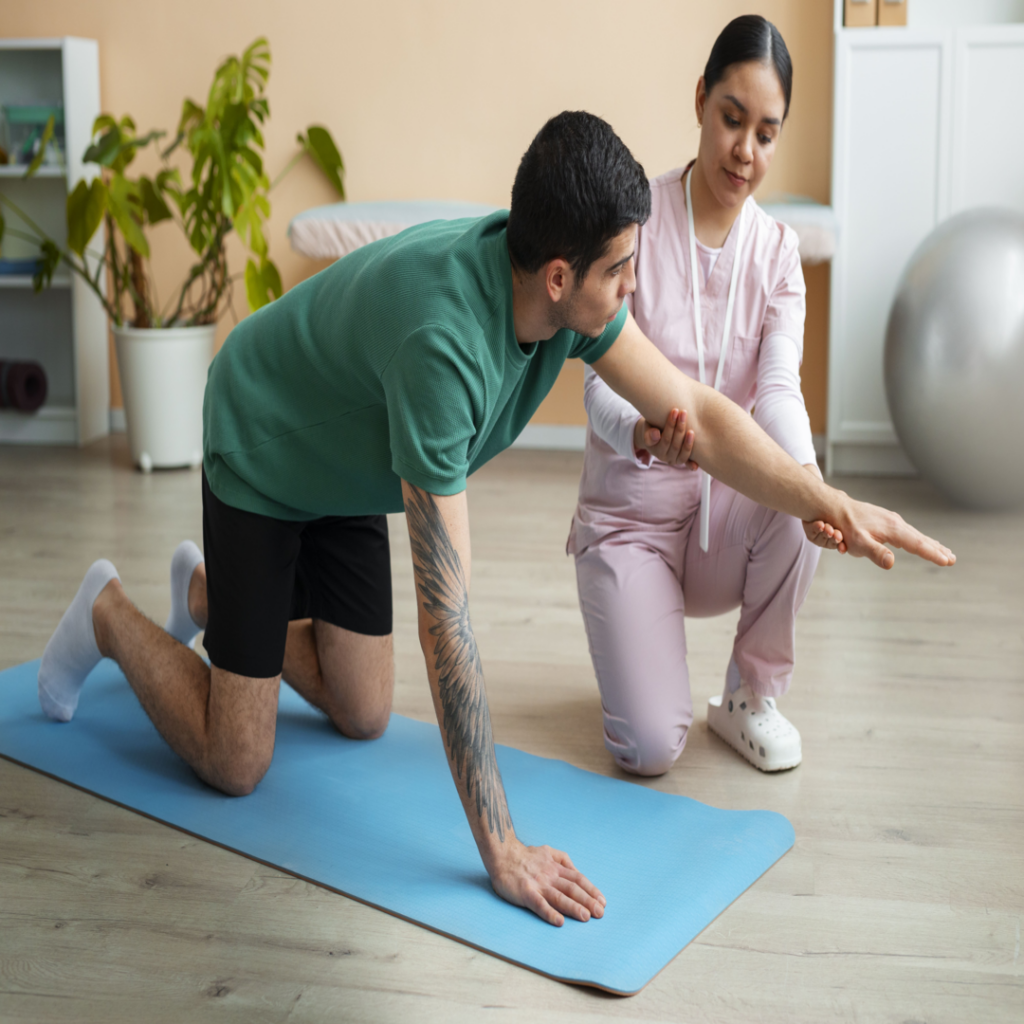
Passive movement therapy is a gentle way to move joints and muscles when a person cannot move on their own. For many immobile patients, this therapy is vital. It helps keep joints healthy and prevents problems that can happen when the body stays still for too long. In this blog, you will learn why passive movement therapy matters, how it works, and who can benefit from it.
What Is Passive Movement Therapy?
Passive movement therapy means someone else moves your joints and limbs for you. You do not use your own muscles to make the movement. Instead, a trained person, like a physiotherapist or caregiver, gently moves your arms, legs, or other body parts. This therapy is often used for people who cannot move certain parts of their body.
The main goals of passive movement therapy are:
People who may benefit include those with paralysis, after surgery, or anyone who cannot move due to illness or injury.
Why Is Passive Movement Therapy Important?
When a person cannot move, their joints and muscles can become stiff. Over time, this can lead to pain, swelling, and even permanent loss of movement. In addition, muscles may shrink or weaken, a problem called muscle atrophy. According to the World Health Organization (WHO), immobility can also increase the risk of blood clots and pressure sores.
However, passive movement therapy helps keep joints and muscles healthy. By moving the body gently, it keeps the joints “alive” and working. This therapy also helps prevent contractures, which are tight, shortened muscles that limit movement. For many people, passive movement therapy is a key part of staying healthy when they cannot move on their own.
How Is Passive Movement Therapy Performed?
Usually, a physiotherapist or trained caregiver performs passive movement therapy. Sometimes, family members can help at home after learning the right way. The therapy involves slow, gentle movements of the joints and limbs.
Common types of passive movements include:
Each movement is done slowly and carefully. The person receiving therapy should feel no pain. If pain occurs, the movement should stop right away.
Benefits of Passive Movement Therapy
Passive movement therapy offers many benefits for people who cannot move on their own. Some of the key benefits include:
For many immobile patients, these benefits can greatly improve comfort and quality of life.
Who Needs Passive Movement Therapy?
Many people can benefit from passive movement therapy, especially those who cannot move certain parts of their body. Common groups include:
In many cases, passive movement therapy for immobile patients is started early to prevent problems before they begin.
Safety Tips and Precautions
While passive movement therapy is safe, it is important to follow some safety tips:
For home care, it is best to get advice from a healthcare professional before starting.
When to Consult a Specialist
Sometimes, you may need to see a physiotherapist or doctor for help. You should consult a specialist if:
In these cases, a specialist can give the right advice and help keep therapy safe.
Frequently Asked Questions
Is passive movement therapy painful?
No, passive movement therapy should not cause pain. If pain happens, stop the movement and talk to a healthcare provider.
How often should passive movement therapy be done?
Usually, therapy is done once or twice a day. However, the exact schedule depends on the person’s needs and the advice of a physiotherapist.
Can family members perform passive movement therapy at home?
Yes, with proper training from a physiotherapist, family members can help. It is important to learn the correct way to avoid injury.
What is the difference between passive and active movement?
In passive movement, someone else moves your body for you. In active movement, you use your own muscles to move.
Conclusion and Call-to-Action
In summary, passive movement therapy is a safe and effective way to keep joints healthy when the body cannot move. It helps prevent stiffness, pain, and other problems linked to immobility. For the best results, always follow safety tips and seek expert advice. Consult a physiotherapist at Metro cure rehabilitation hospital for personalized guidance on passive movement therapy.