
Introduction
Holistic rehab approaches for immobile patients focus on the whole person, not just their physical needs. When someone cannot move easily, they face many challenges. Therefore, combining exercise, nutrition, and daily care is vital. This approach helps improve health, comfort, and quality of life. In this blog, you will learn why a combined plan works best and how it supports recovery.
Understanding Immobility and Its Challenges
Immobility means a person cannot move parts of their body or their whole body. Often, this happens after an injury, stroke, surgery, or illness. Sometimes, age or long-term conditions cause it. As a result, immobile patients may face:
Moreover, these challenges can affect both the body and mind. Family and friends may also feel stress. According to the World Health Organization (WHO), early and complete care can help prevent many problems.
The Role of Exercise in Holistic Rehab
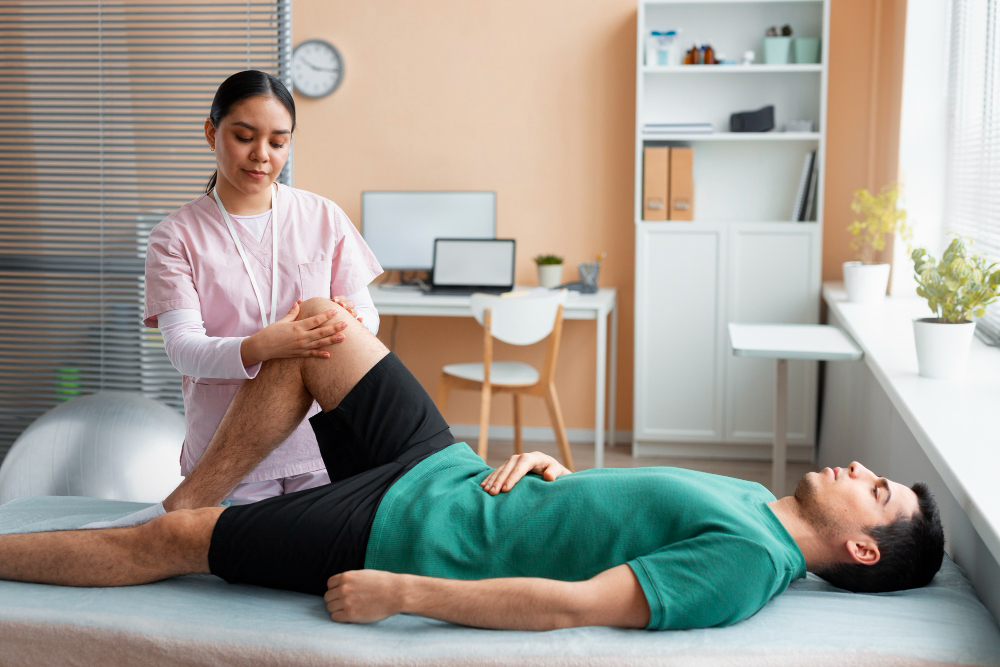
Exercise is a key part of holistic rehabilitation for immobile patients. Even small movements can make a big difference. For example, gentle stretches or assisted movements help keep muscles strong. Some safe exercise options include:
However, it is important to follow a plan made by a physiotherapist. This helps avoid injury. Exercise can also boost mood and energy. The Centers for Disease Control and Prevention (CDC) notes that regular movement supports better health, even for those who cannot walk.
Nutrition for Recovery and Strength
Good nutrition is just as important as exercise. Immobile patients need the right foods to heal and stay strong. Key nutrients include:
In addition, eating small, balanced meals throughout the day can help. A dietitian can create a meal plan that fits each person’s needs. According to medical journals, proper nutrition speeds up healing and gives energy for daily activities.
Comprehensive Care Strategies
Daily care is a big part of holistic rehab approaches for immobile patients. This includes:
Furthermore, caregivers need support too. They should take breaks and ask for help when needed. Support groups and counseling can also help families cope with stress.
Integrating Exercise, Nutrition, and Care
When exercise, nutrition, and care work together, patients often see better results. For example, a daily routine might include:
By combining these elements, patients can gain strength, avoid problems, and feel more comfortable. This approach is often used in top holistic rehab centers and home care programs.
Prevention and Lifestyle Guidance
Preventing problems is easier than treating them. Here are some tips to promote well-being for immobile patients:
Additionally, regular check-ups with healthcare providers can catch problems early. This helps keep patients safe and healthy.
Conclusion
In summary, holistic rehab approaches for immobile patients use exercise, nutrition, and daily care to support recovery. Each part is important, but together they offer the best chance for better health. For the best results, consult a rehabilitation specialist at Metro Cure Rehabilitation Hospital for personalized guidance on holistic care for immobile patients.