
Introduction
Passive physiotherapy for limited mobility is a gentle treatment that helps people who cannot move easily. Many patients, such as those recovering from surgery or living with certain illnesses, benefit from this care. Because movement is important for health, passive physiotherapy can play a key role in recovery and comfort. In this blog, you will learn what passive physiotherapy is, who it helps, and why it matters.
What is Passive Physiotherapy?
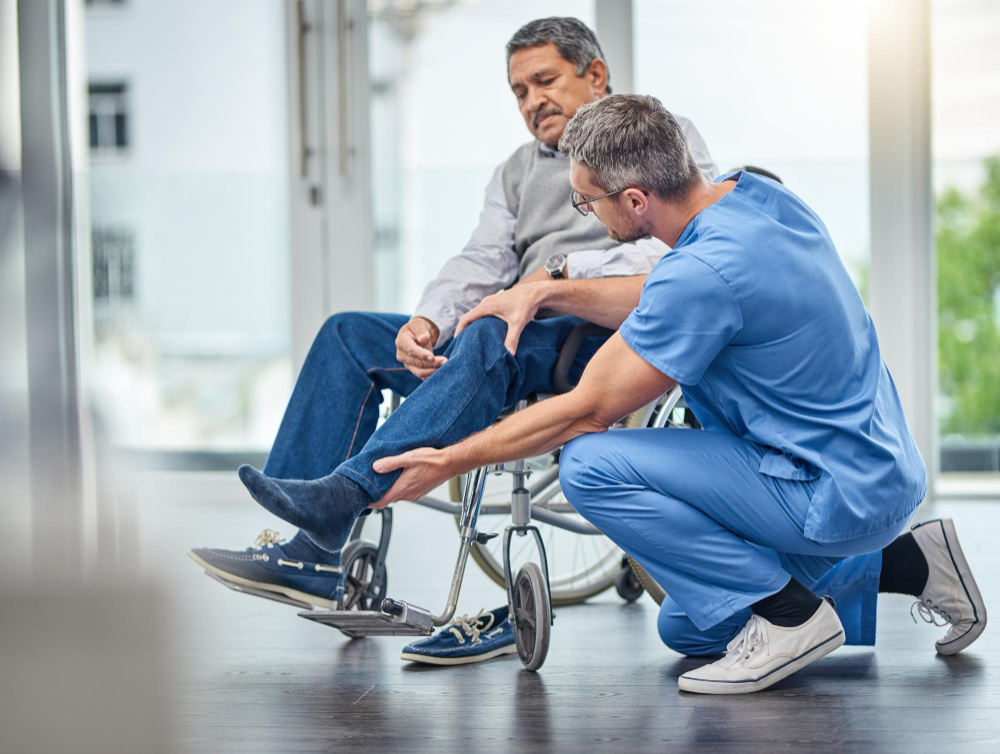
Passive physiotherapy means a therapist moves a patient’s body for them. Unlike active physiotherapy, where patients do exercises themselves, passive methods do not require effort from the patient. For example, a therapist may gently move a person’s arm or leg. Sometimes, special machines or tools help with these movements. As a result, passive physiotherapy is helpful for people who cannot move on their own.
Who Benefits from Passive Physiotherapy?
Many people with limited mobility can benefit from passive physiotherapy. For instance, it helps:
Because these groups often face stiffness and pain, passive physiotherapy can make daily life easier.
Key Benefits of Passive Physiotherapy
Passive physiotherapy offers many benefits for immobile patients. Some of the main advantages include:
Moreover, regular sessions can boost mood and help patients feel more comfortable.
Common Techniques in Passive Physiotherapy
Several methods are used in passive physiotherapy. Some popular techniques include:
Because each patient is different, therapists choose the best methods for their needs.
Safety and Precautions
Safety is very important in passive physiotherapy. Always follow these tips:
Additionally, never try new techniques without professional advice. According to the World Health Organization, proper training reduces the risk of harm.
Lifestyle Guidance for Caregivers and Families
Caregivers play a big role in supporting patients with limited mobility. Here are some helpful tips:
Because support at home matters, these steps can make a big difference in recovery.
Prevention and Early Intervention
Early use of passive physiotherapy can prevent many problems. For example, starting therapy soon after surgery may stop joints from becoming stiff. In addition, it can lower the risk of blood clots and sores. The Centers for Disease Control and Prevention (CDC) notes that early movement helps patients heal faster. Therefore, talk to your doctor about starting passive physiotherapy as soon as possible.
Conclusion and Call-to-Action
Passive physiotherapy for limited mobility is a safe and helpful way to improve comfort and health. It can reduce pain, prevent problems, and support healing. If you or a loved one has trouble moving, do not wait. Consult a qualified physiotherapist at Metro Cure Rehabilitation Hospital for personalized guidance on passive physiotherapy for limited mobility.