What is Muscle Stiffness (Spasticity) After Stroke?
After a stroke, many people experience muscle stiffness, also called spasticity. This means certain muscles become tight and hard to move. As a result, daily tasks like walking or holding objects can become difficult. Spasticity happens because the brain has trouble sending signals to the muscles. Therefore, the muscles stay tight or contract when they should relax. Exercises to reduce muscle stiffness (spasticity) after stroke are important for recovery and improving movement.
Common Symptoms and Causes
Muscle stiffness after stroke can show up in many ways. For example, you may notice:
Spasticity is caused by damage to the parts of the brain that control movement. Because of this, the muscles do not get the right signals. Over time, this can lead to more stiffness and less movement.
How Physiotherapy Helps Reduce Spasticity
Physiotherapy for stroke patients is a key part of recovery. With regular therapy, you can improve muscle control and reduce stiffness. In fact, stroke rehabilitation exercises help stretch tight muscles and strengthen weak ones. A physiotherapist will create a plan that fits your needs. They may use gentle stretches, guided movements, and special exercises. Over time, these steps can make daily activities easier and safer.
Top Exercises to Reduce Muscle Stiffness After Stroke
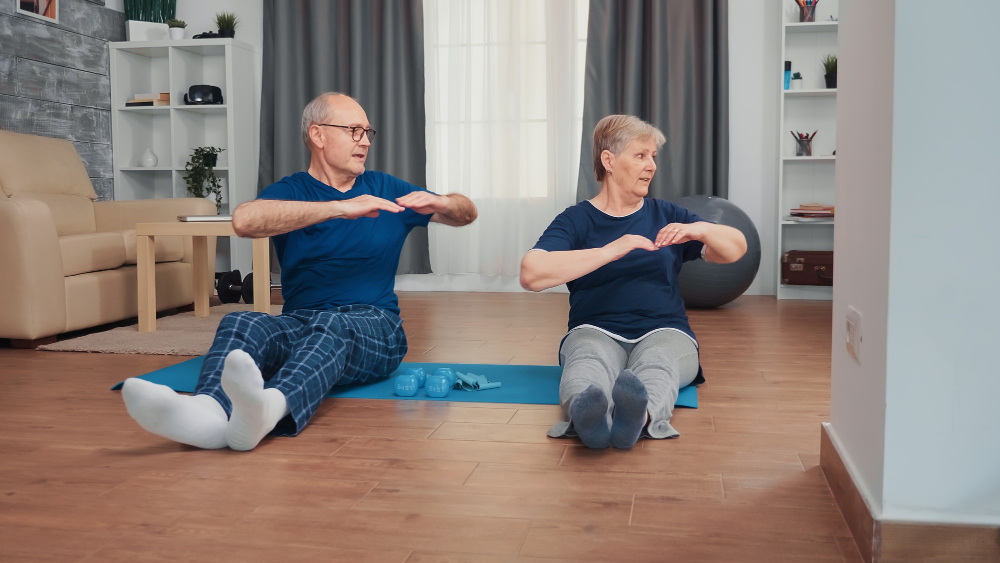
Before starting any exercise, always talk to your doctor or physiotherapist. Here are some home exercises for stroke recovery that may help reduce spasticity:
For best results, try to do these exercises daily. However, stop if you feel pain or discomfort.
Safety Tips and Precautions
Safety is very important during stroke rehabilitation exercises. Therefore, keep these tips in mind:
Most importantly, follow your physiotherapist’s advice for safe progress.
Lifestyle Guidance for Better Recovery
Besides exercises, healthy habits can help reduce spasticity after stroke. For example:
With these steps, you can support your body’s recovery and improve your quality of life.
Prevention of Further Complications
After a stroke, it is important to prevent more problems. Therefore, regular movement and stretching can help avoid joint stiffness and muscle contractures. In addition, keep up with your medical check-ups. If you notice new symptoms, tell your doctor right away. Early action can stop small issues from becoming serious.
For those seeking stroke rehabilitation in your area, many clinics offer special programs. These programs focus on reducing spasticity and improving movement. Ask your healthcare provider for local options.
Consult a physiotherapist or rehabilitation specialist at Metro Cure Rehabilitation Hospital for personalized guidance on reducing muscle stiffness after stroke.