
Introduction: Why Balance and Gait Matter After Stroke
After a stroke, many people struggle with walking and keeping their balance. Improving balance and gait after stroke is important for daily life. When balance and walking are affected, simple tasks can feel hard. However, with the right help, most people can get better. In this guide, you will learn about common problems, causes, and ways to improve movement after a stroke.
Common Symptoms and Challenges
Stroke survivors often face several challenges with balance and walking. For example, you may notice:
Because of these issues, daily activities like bathing or shopping may become tough. Yet, with support, many people regain confidence and strength.
Causes of Impaired Balance and Gait After Stroke
After a stroke, the brain may not send clear signals to your muscles. As a result, you might have weakness, numbness, or stiffness in your arms or legs. Sometimes, vision or feeling in one side of the body changes. In addition, problems with coordination or muscle control can make walking harder. Each person’s experience is different, but these are common reasons for balance and gait problems.
Diagnosis and Assessment Methods
Doctors and therapists use several tests to check balance and walking. For instance, they may watch how you walk or ask you to stand on one leg. Sometimes, they use special tools to measure strength and movement. These assessments help create a plan that fits your needs. Early assessment is key for better recovery, according to the World Health Organization (WHO).
Evidence-Based Physiotherapy and Rehabilitation Techniques
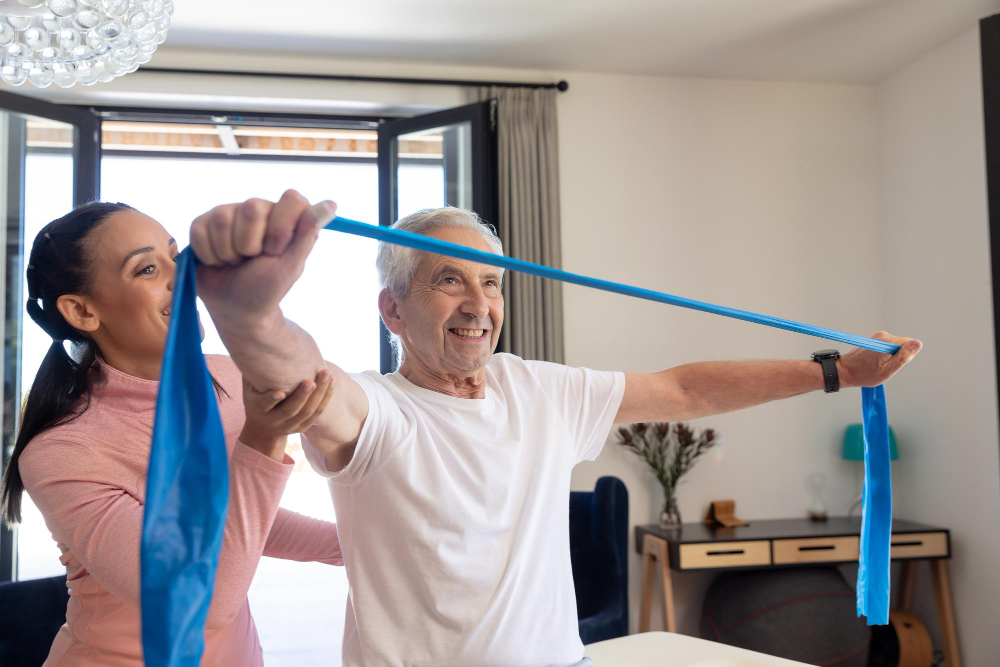
Physical therapy is a main part of stroke recovery. Therapists use proven methods to help you improve balance and gait. Some common techniques include:
Because every stroke is different, your therapist will choose exercises that are safe and effective for you. The Centers for Disease Control and Prevention (CDC) recommends regular therapy for best results.
Home Exercises and Lifestyle Tips
Even at home, you can work on improving balance after stroke. Always ask your therapist before starting new exercises. Some helpful activities include:
Additionally, try to stay active every day. For example, short walks or gentle stretching can help. Eating healthy foods and staying hydrated also support recovery.
Prevention of Falls and Safety Strategies
Falls are a common risk after stroke. However, you can take steps to stay safe:
Because safety is important, always ask for help if you feel unsure.
When to Seek Professional Help
If you notice new weakness, pain, or trouble walking, contact your doctor. Also, if you fall or feel dizzy often, seek advice right away. Early support from a physiotherapist or rehabilitation specialist can make a big difference. Remember, you do not have to recover alone.
Conclusion: Take the Next Step in Your Recovery
Improving balance and gait after stroke takes time and effort. Yet, with the right exercises and support, you can make steady progress. For the best results, consult a physiotherapist or rehabilitation specialist at Metro Cure Rehabilitation Hospital for personalized guidance on improving balance and gait after stroke.