
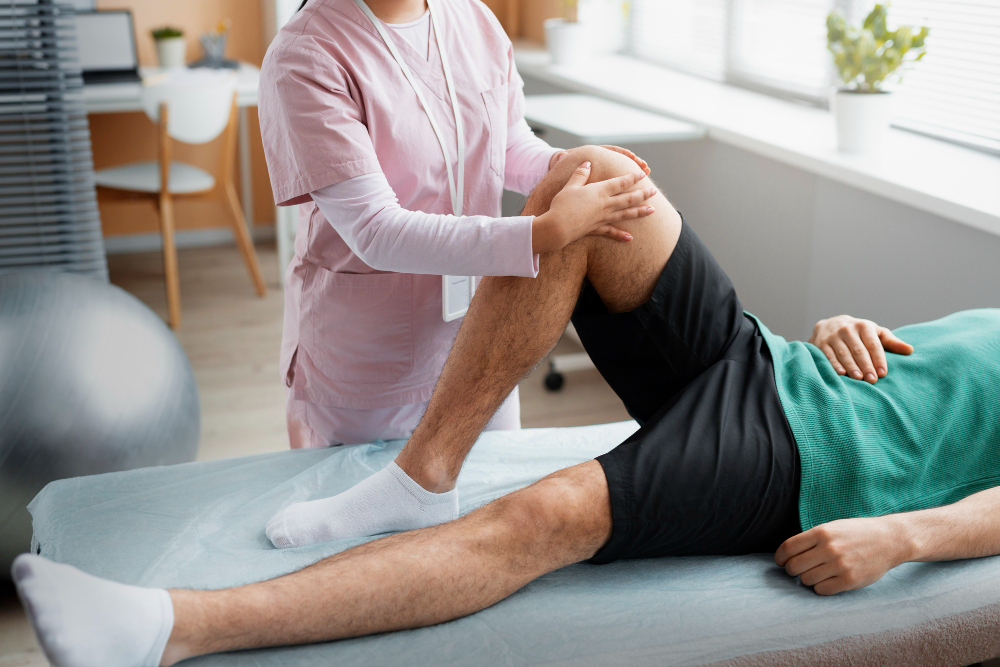
Introduction to Knee Pain Physiotherapy
Knee pain physiotherapy helps many people manage knee discomfort and recover from injuries. If you have knee pain, you are not alone. In fact, knee pain is one of the most common joint problems. Physiotherapy for knee pain uses special exercises and treatments to reduce pain, improve movement, and prevent future issues. Because knee pain can affect daily life, learning about physiotherapy options is important. This guide explains the causes, symptoms, treatment options, and prevention tips for knee pain.
Common Causes of Knee Pain
There are many reasons why your knee might hurt. Understanding the cause helps find the right treatment. Some common causes include:
Because each cause needs a different approach, a proper assessment is key.
Recognizing Symptoms of Knee Pain
Knee pain can feel different for everyone. However, some common symptoms include:
Although mild pain may go away, ongoing symptoms should not be ignored.
Diagnosis: How Physiotherapists Assess Knee Pain
First, a physiotherapist will ask about your symptoms and health history. Next, they will check how your knee moves and feels. They may look for swelling, tenderness, or weakness. Sometimes, they use simple tests to see how strong your muscles are. In some cases, they may suggest an X-ray or MRI to check for injuries. Because a clear diagnosis guides treatment, this step is very important.
Physiotherapy Treatment Options for Knee Pain
Knee pain physiotherapy offers many treatment options. Your physiotherapist will create a plan just for you. Common treatments include:
Because each person is different, your plan may include one or more of these options.
Home Exercises and Lifestyle Tips
In addition to clinic visits, home care is important. Your physiotherapist may suggest:
Besides exercises, you can:
Because small changes add up, these tips can help your recovery.
Prevention Strategies for Knee Pain
Preventing knee pain is possible with a few simple steps. Consider these strategies:
Because prevention is easier than treatment, these habits can protect your knees.
When to See a Physiotherapist
Sometimes, knee pain does not improve with home care. You should see a physiotherapist if:
Because early treatment can prevent long-term problems, do not wait to seek help.
Conclusion and Next Steps
“Knee pain physiotherapy can help you recover, reduce pain, and get back to daily life. With the right treatment and exercises, many people see great results. However, every knee is different. Consult a licensed physiotherapist at Metro Cure Rehabilitation Hospital for personalized knee pain management.”