What is Guillain-Barré Syndrome and GBS Rehabilitation?
Guillain-Barré Syndrome (GBS) is a rare condition where the body’s immune system attacks the nerves. This can cause weakness, tingling, or even paralysis. GBS rehabilitation is the process that helps people recover strength and function after GBS. Early and proper rehabilitation is key for a better recovery. According to the CDC, most people with GBS improve with the right care.
Common Symptoms and Challenges During GBS Recovery
People with GBS may face many symptoms and challenges. These can change over time. However, knowing what to expect can help you prepare for recovery.
Because symptoms can vary, each person’s recovery is unique. Some people recover quickly, while others may need more time and support.
Goals and Phases of GBS Rehabilitation
GBS rehabilitation aims to help people regain movement, strength, and independence. The process is often divided into phases. Each phase has its own goals.
Throughout these phases, the rehabilitation team adjusts the plan to fit the patient’s needs.
Physiotherapy Techniques and GBS Recovery Exercises
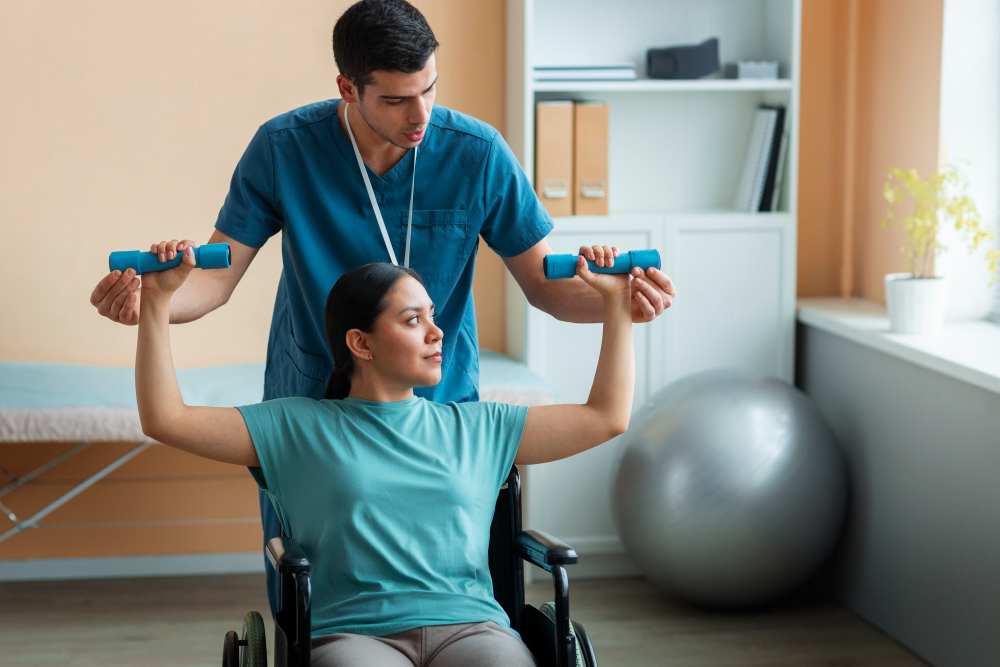
Physiotherapy for GBS is a key part of recovery. It helps improve strength, balance, and movement. Early movement, even gentle, can help prevent muscle loss. As you get stronger, exercises become more active.
Always follow your therapist’s advice. They will choose safe exercises for your stage of recovery.
The Importance of Multidisciplinary Care
GBS rehabilitation works best with a team approach. Different specialists help with different needs. This is called multidisciplinary care.
Because GBS affects many parts of life, this team approach helps address all challenges.
Lifestyle Guidance and Tips for Patients and Caregivers
Recovery from GBS takes time. However, there are steps you can take to make the journey smoother.
Caregivers play a vital role. They can help with exercises, provide encouragement, and watch for any new symptoms.
Preventing Complications and Long-Term Support
Preventing problems is an important part of GBS rehabilitation. With the right care, many issues can be avoided.
Long-term support may include community resources, support groups, or home therapy. These can help you stay active and independent.
Frequently Asked Questions About GBS Rehabilitation
Conclusion: Take the Next Step in GBS Recovery
GBS rehabilitation is a journey that takes time, patience, and teamwork. With the right support, most people can regain strength and independence. For the best results, consult a rehabilitation specialist at Metro Cure Rehabilitation Hospital for personalized guidance on GBS recovery.